
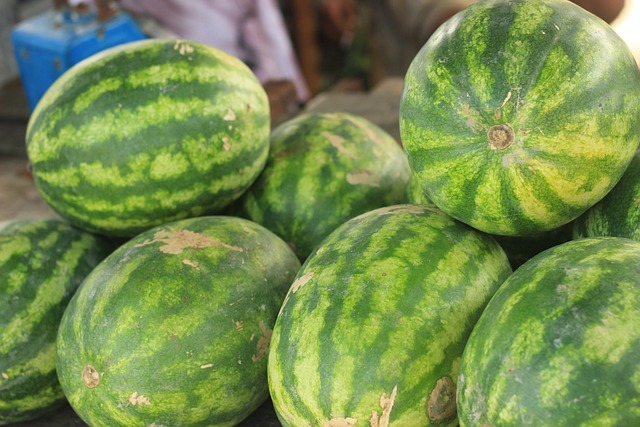
Watermelons are 92 percent water and because they have a low calorie count, eating a lot of it brings no guilt. The guilt set aside, it is better not to eat the whole fruit in one sitting as watermelon can cause bloating and it does contain natural sugar.
Though it has less sugar than other fruits it can be risky for people with diabetes, and so for you, what can eating watermelon really do?
Watermelon Can Hydrate You
As it is mostly water, it can play an important role in keeping you hydrated. Where the water source is iffy and you can get hold of a watermelon, go for the watermelon. Eating water melon will keep you hydrated until you can get a clean source of water.
Do make sure the fruit is sold in good hygienic conditions or buy the whole and cut it up yourself and eat it to keep you hydrated.
If you exercise, drink watermelon juice before the workout, it can help reduce your heart rate and aid in recovery by relieving muscle soreness the following day.
Watermelon Can Offer Health Benefits
There are benefits in watermelon that are similar to the ones found in other fruits and vegetables and even though watermelons take the back seat, they do come with nutritional benefits. Watermelons are in fact considered a superfood.
The term superfood is the general term for foods that have a lot of nutritional benefit and a very low calorie count. As, superfoods are generally packed with vitamins, minerals, and antioxidants, watermelon fits the bill.
Watermelons have large amounts of vitamins C contained in them and vitamin C as you know, plays a critical role in keeping your eyes, hair and skin healthy. Not only is the flesh, rind and water good for you but, so are the seeds.
The watermelon rind is rich in fiber, the seeds are rich in magnesium, iron, and zinc.
Watermelon can help manage your weight
Choosing watermelon every time you want a snack can help you manage your weight. If you have a heavy weight problem, you risk getting a heart disease or a stroke. Eating watermelon may help with your weight as eating it keeps you feeling full longer and will lessen the temptation to reach for an unhealthy snack.
Lifestyle not just the foods you eat will reduce your risk for disease, so do take care. Exercise, eat healthy portions, drink responsibly and get enough sleep!
